


Featured
-
ExperiencePlus! Blog / Featured
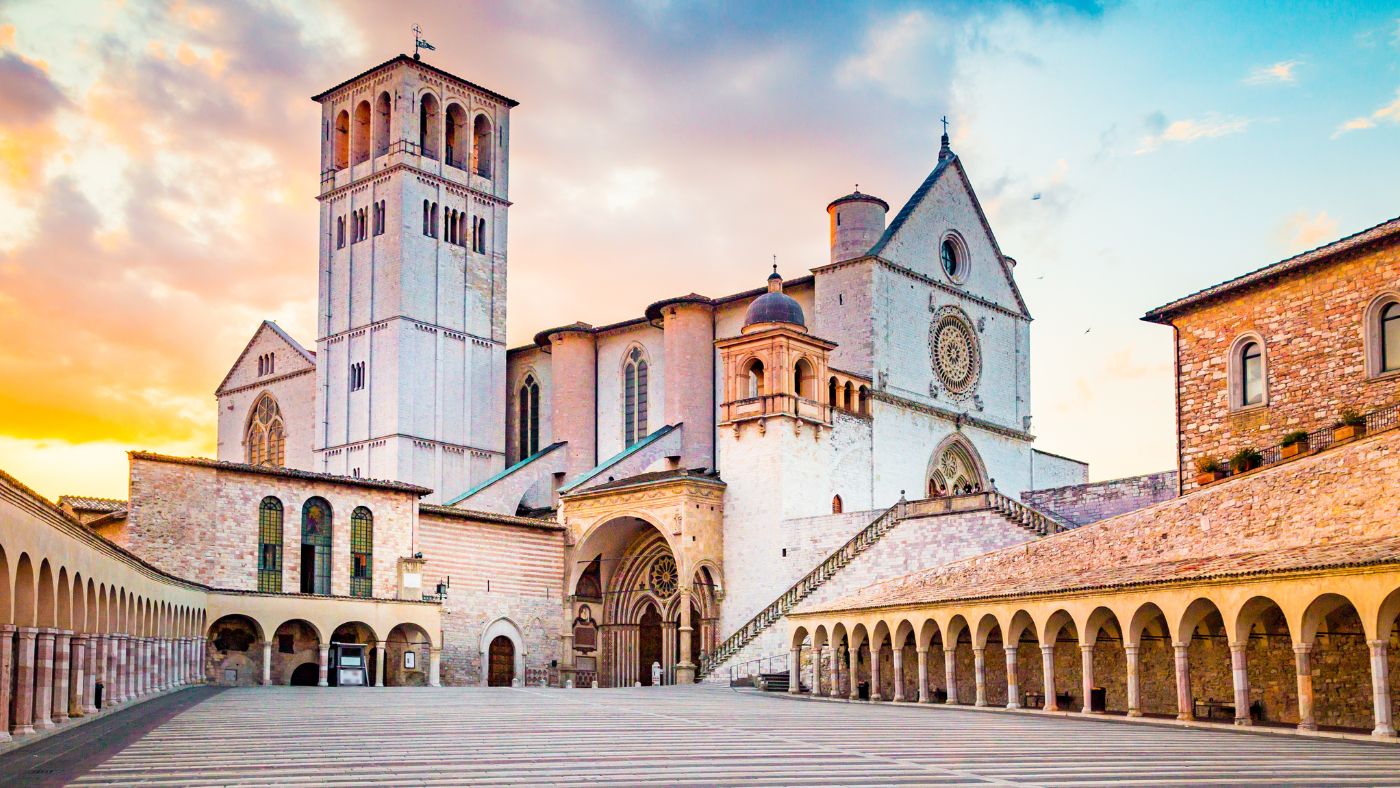
New: Self-guided tours in Italy
ExperiencePlus! is excited to introduce new self-guided tour offerings in Italy, beginning in spring 2024. From the shores of Lake Garda and the peaks and valleys of the famed Dolomites to the Apennine Mountains, Tuscany’s golden landscapes, and the green… Read full article
-
ExperiencePlus! Blog / Book & Film / Featured / Tips & Reviews
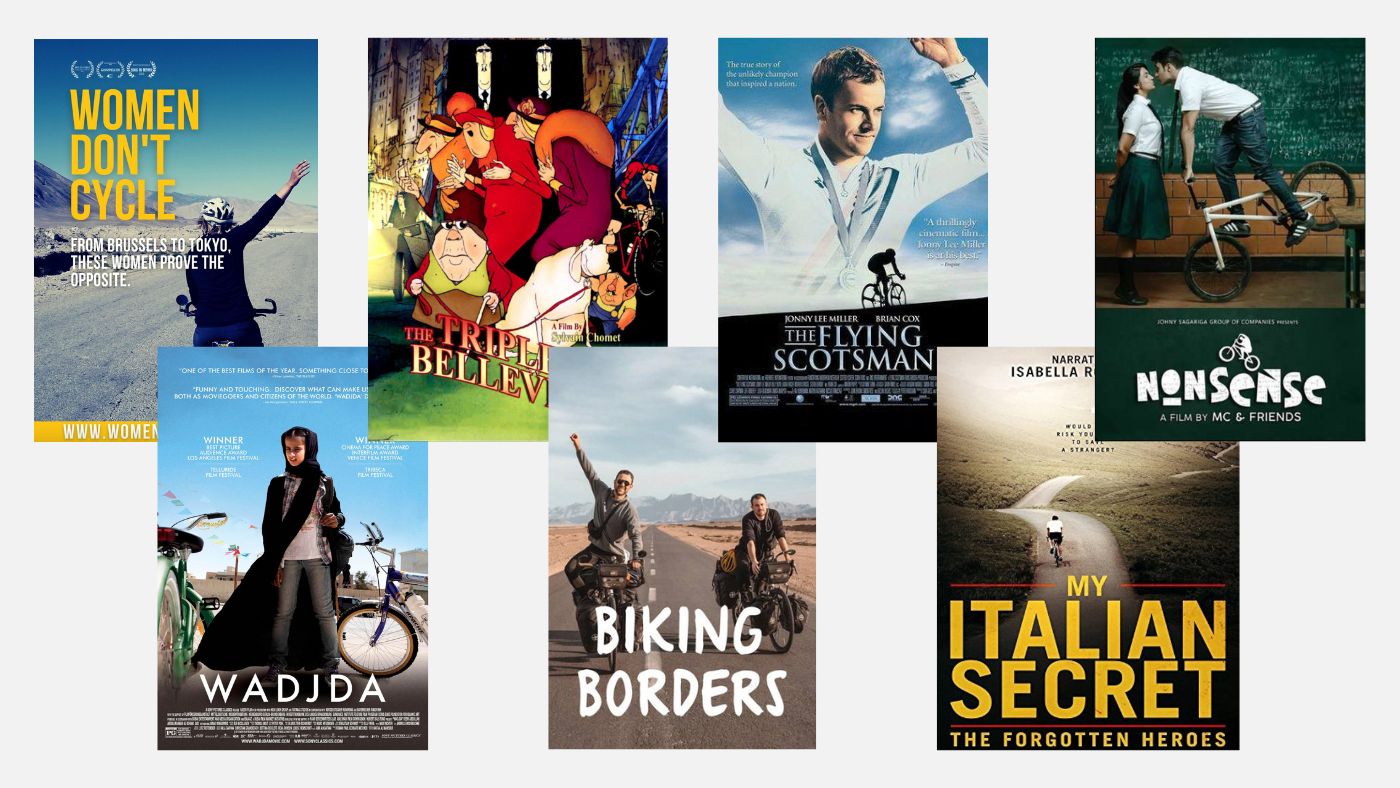
Best bike movies for inspiration
I’ll never forget the first time I watched Breaking Away. Everything about the film mesmerized and charmed me. The fake Italian identity. The friendship among the Dave, Mike, Cyril, and Moocher. The ambition. The catastrophic pump in the spokes. The… Read full article
About EP!
-

ExperiencePlus! Blog / About ExperiencePlus! / Featured
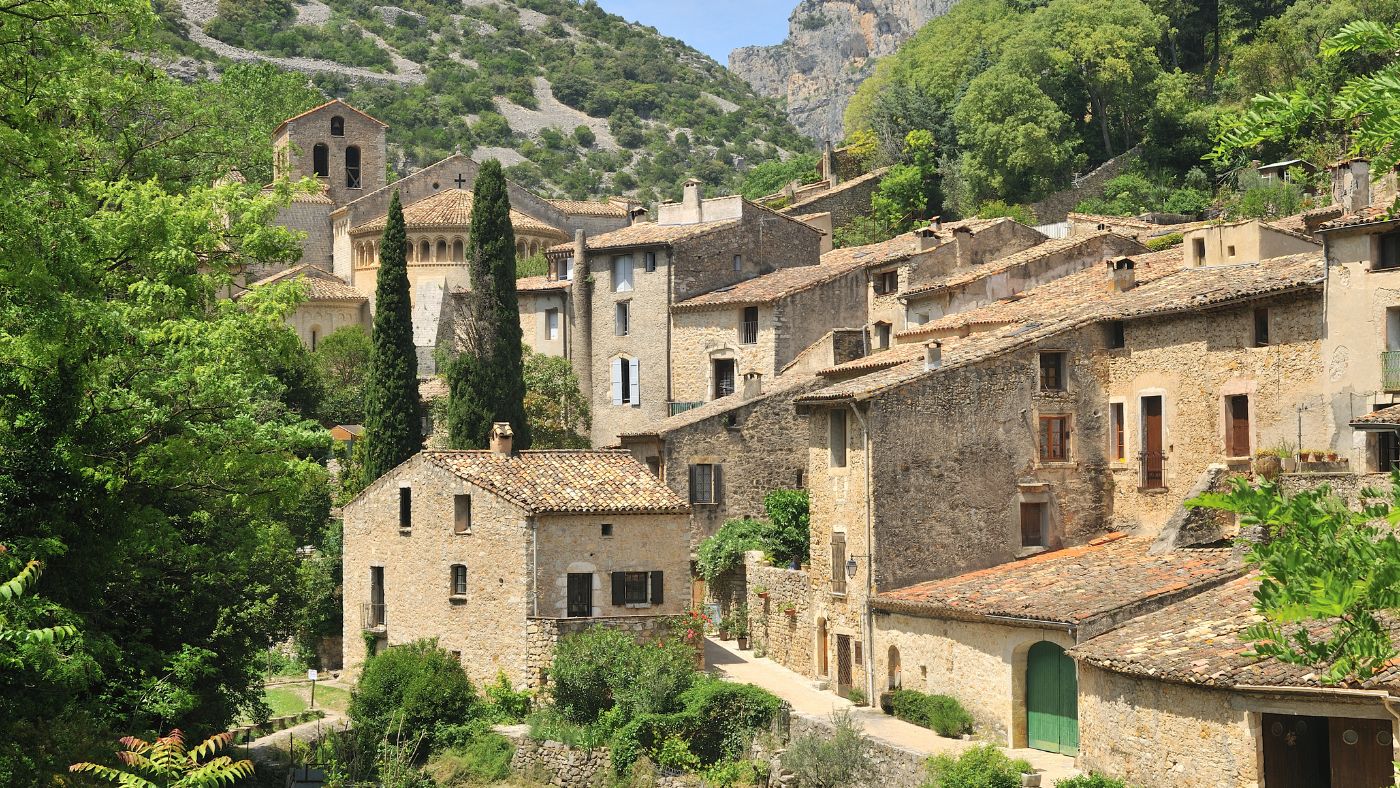
Top 10 cycling holidays
From the ancient spiritual pilgrimage of the Camino De Santiago and the Lakes District of Patagonia, to the storybook landscapes of Bavaria and the undiscovered beauty of Corsica, here are 10 of our best guided bike tours. We chose this list from… Read full article
-
ExperiencePlus! Blog / About ExperiencePlus! / EPTurns50
Top 50 rides from EP tours
No one knows ExperiencePlus! tour rides better than our tour leaders and staff who design and ride them all the time. So as part of our 50-year celebration in 2022, we asked our tour leaders and staff to list their favorite… Read full article
-
ExperiencePlus! Blog / About ExperiencePlus! / Tips & Reviews / Travel Tips
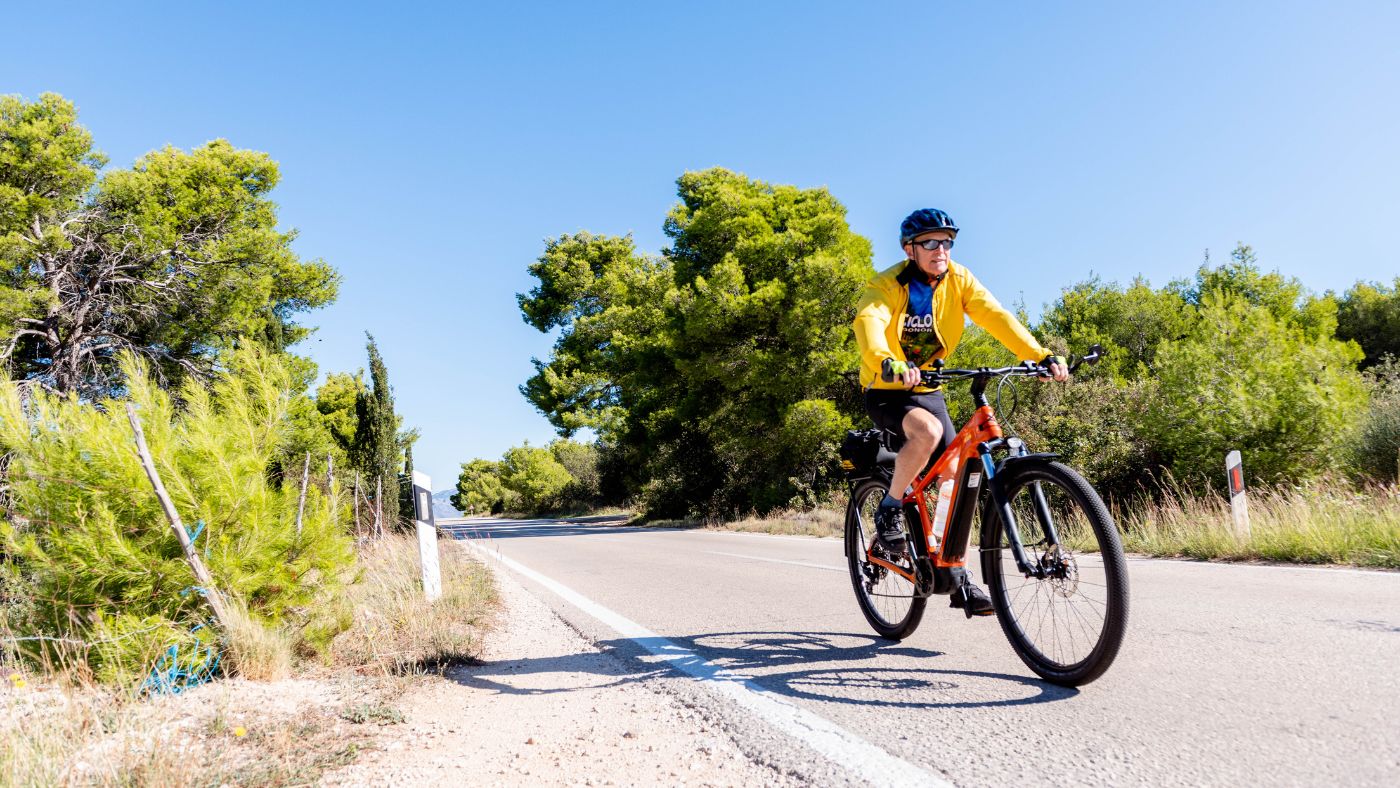
What’s All the “Plus!” About?
The Long and Short of our Bicycle Tours If you’ve poked around the tour finder on our website, or been on tour with us, you’ve likely noticed many of our bicycle tour itineraries have two departure length options: a short … Read full article
Highlights & stories
-
ExperiencePlus! Blog / France / Highlights & Stories
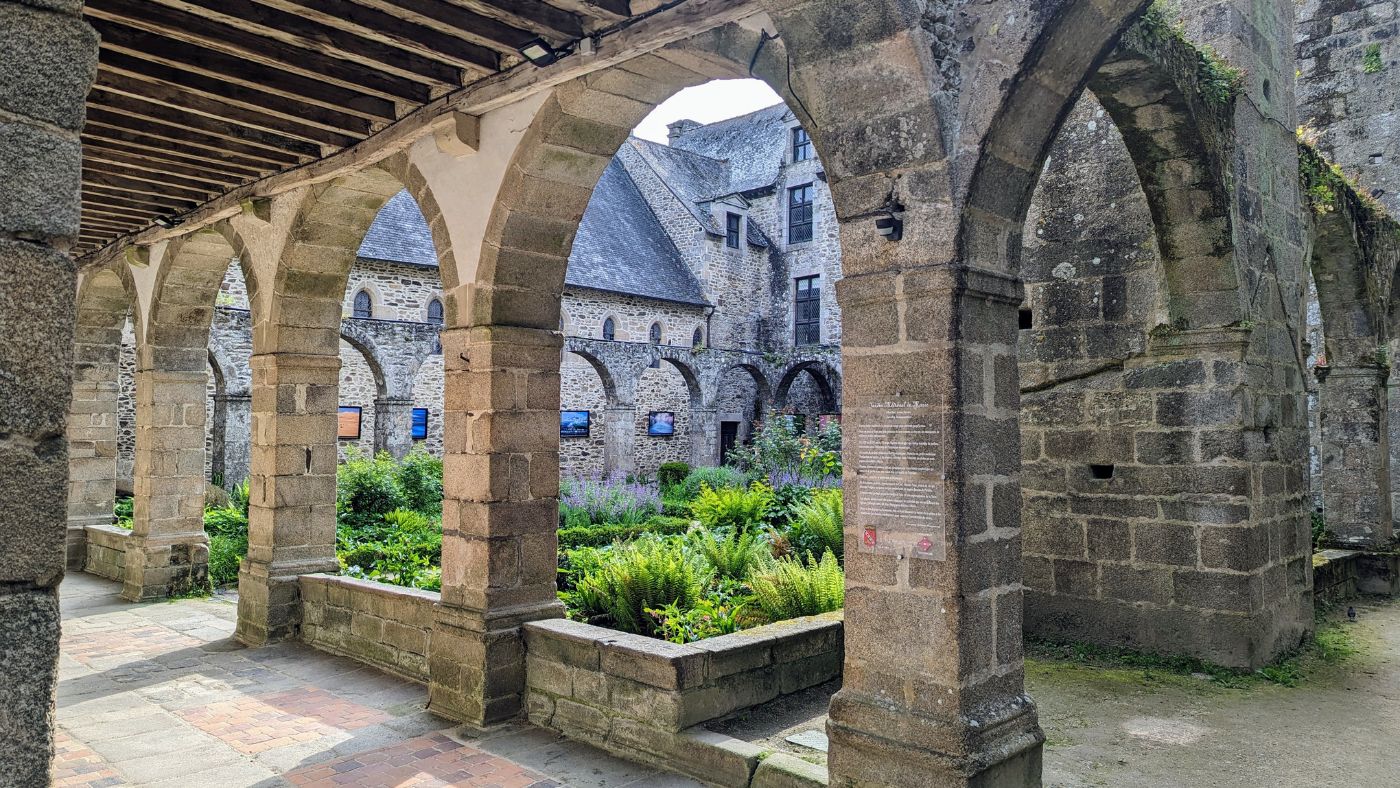
Spring to Normandy and fall for Brittany
Two primary destinations draw tourists from all walks of life to Normandy: the magical tide-engulfed island of Mont Saint-Michel and the hallowed grounds of the D-Day beaches. The allure of these coastal and storied Normandy sites is easy to grasp.… Read full article
-
ExperiencePlus! Blog / France / Highlights & Stories
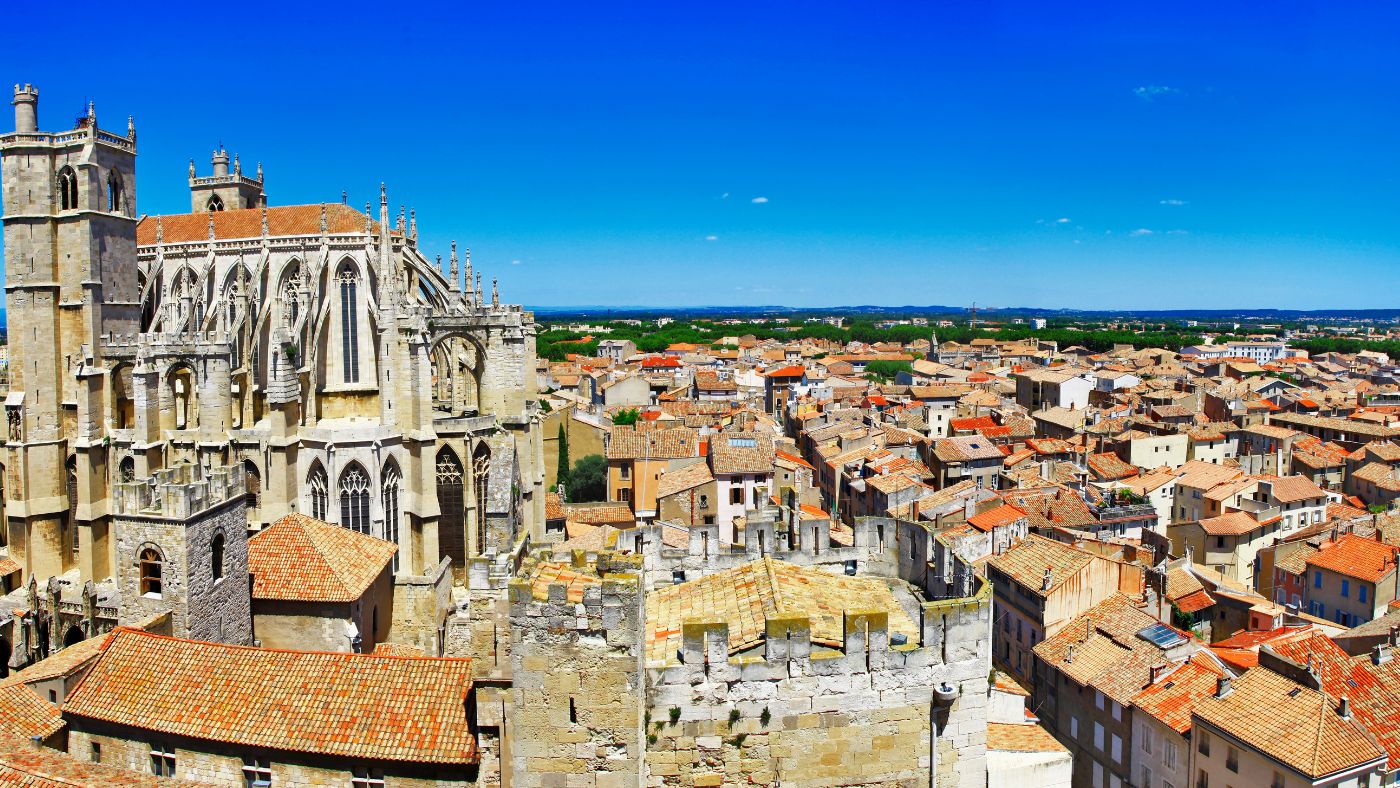
What’s wrong with the South of France?
Each year ExperiencePlus! staff in the U.S. are gifted the amazing opportunity to join a tour of their choosing. Sometimes we can’t realize our dreams because no one has booked the tour we want to take, and so it gets… Read full article
-
ExperiencePlus! Blog / Highlights & Stories / Spain
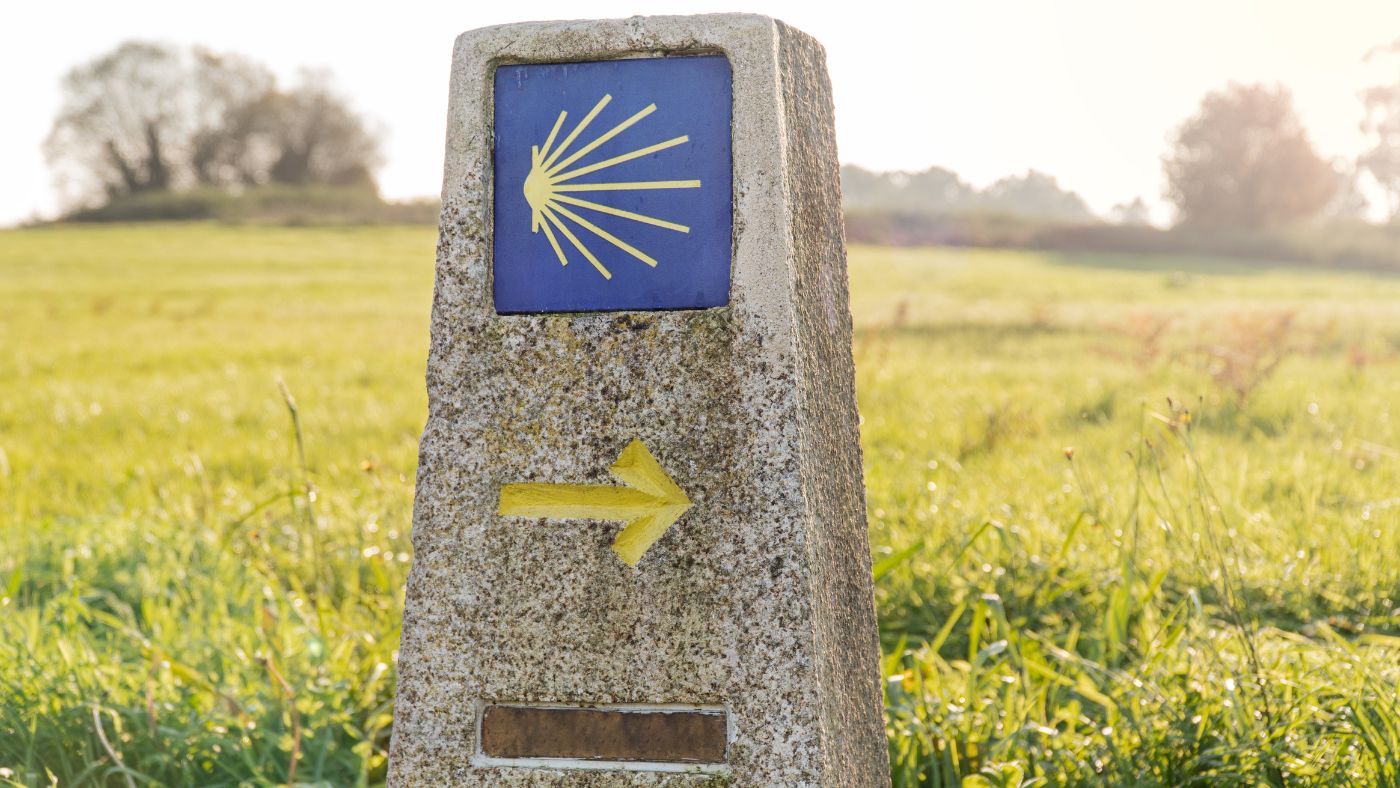
Top 5 Experiences on the Camino in 2023
If you’re new to ExperiencePlus! you may not know that Cycling the Camino de Santiago is one of our longest-standing tours. We celebrated the 544-mile journey throughout 2022, which marked our 50th anniversary. The tour is unique among our offerings because it follows a centuries-old… Read full article
News
-
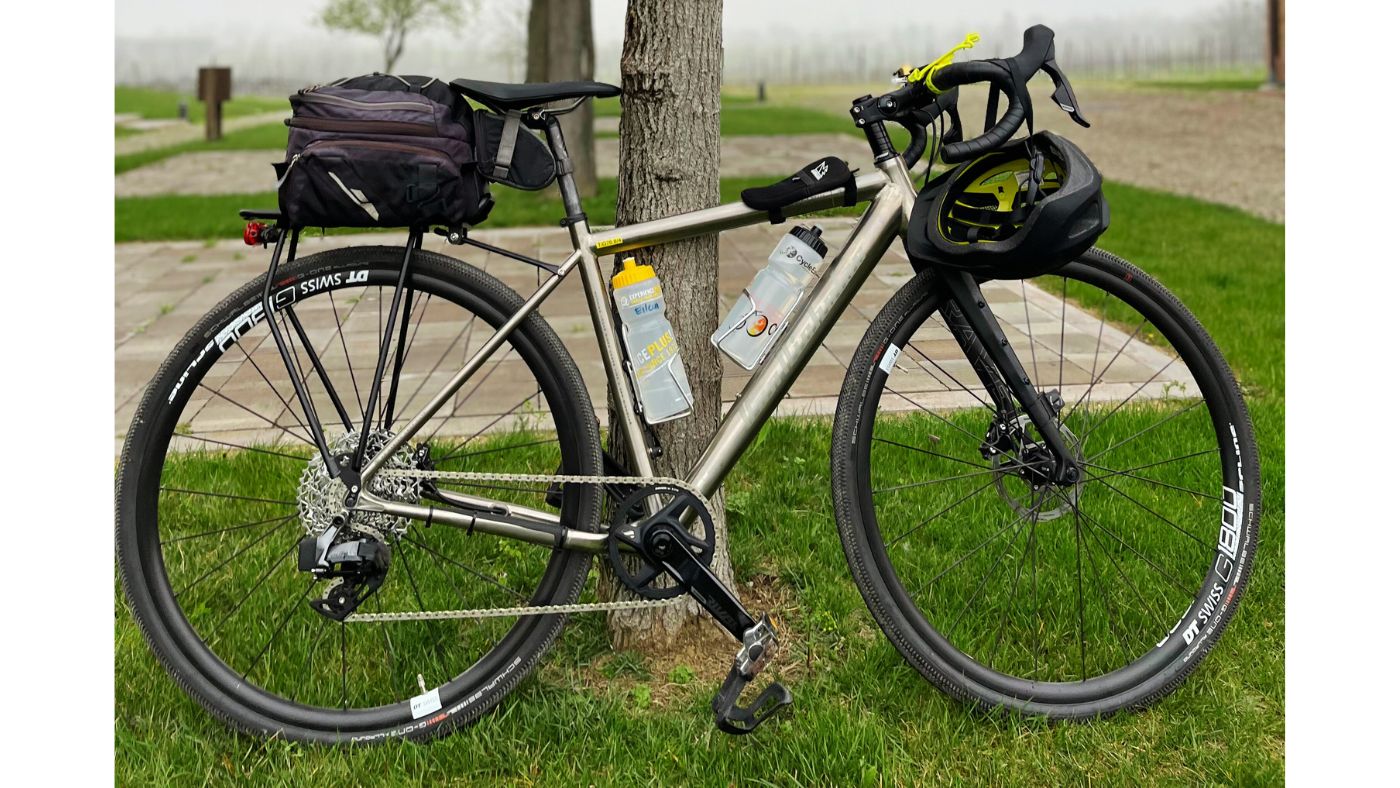
Spotlight: Road bike fleet
When you bicycle tour with ExperiencePlus!, you should expect to ride a professionally-tuned piece of high-performing equipment that amplifies your travels. You’re on a bicycle tour, after all! ExperiencePlus! takes great pride in the quality of our diverse fleet of… Read full article
-
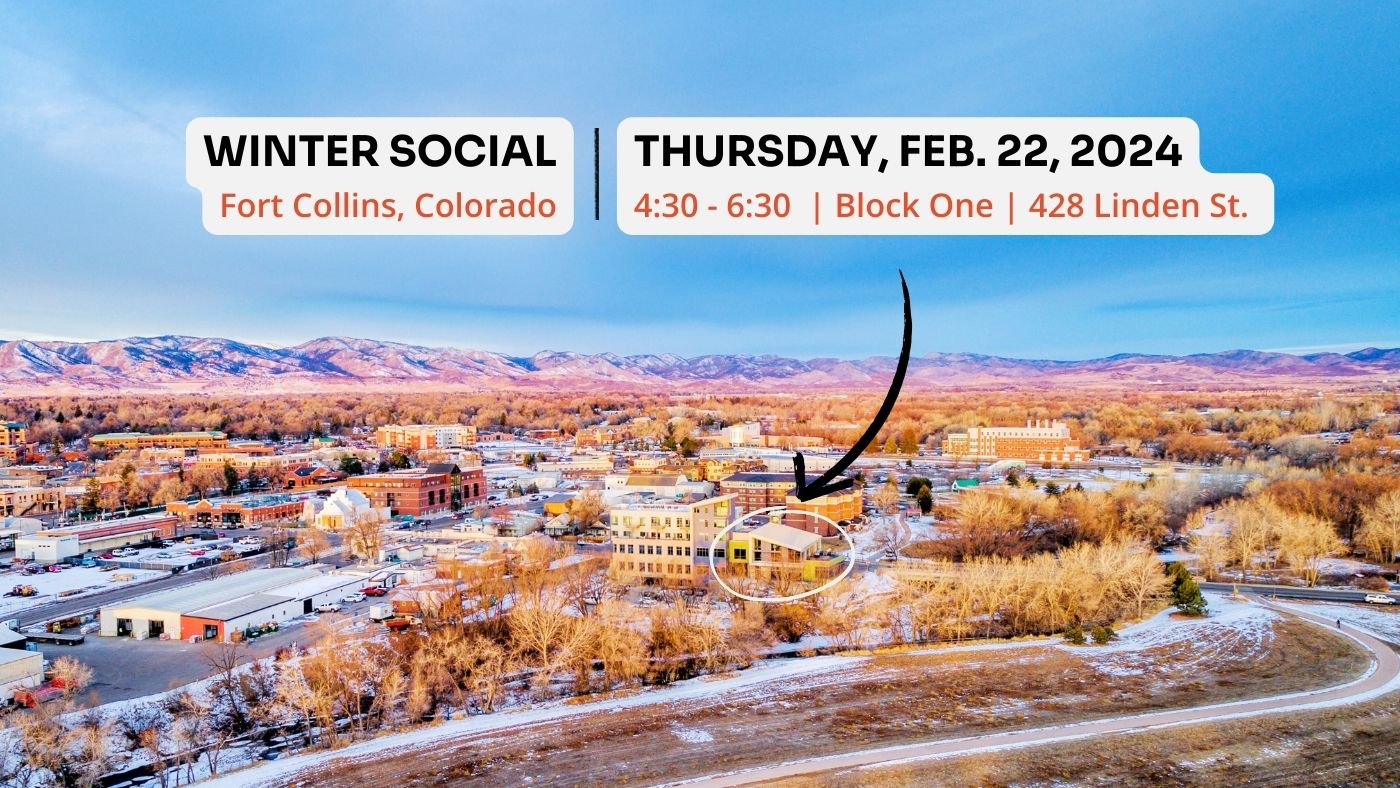
Fort Collins 2024 Winter Social
-
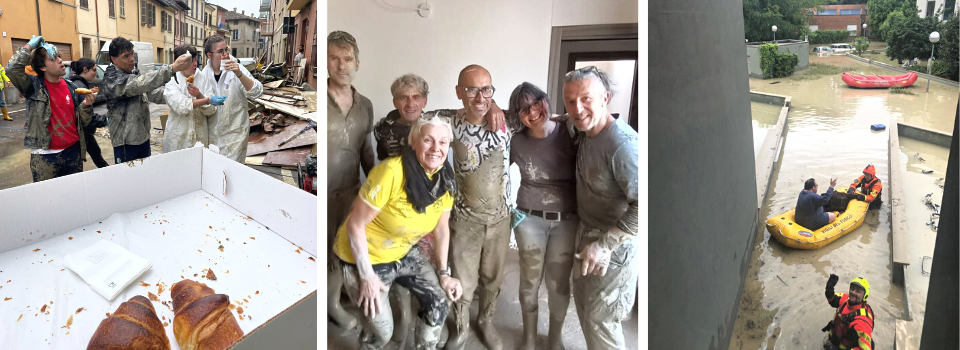
Post-flood update: mud, devastation, and perseverance
On May 16 and 17, historic rains — 20 inches in 36 hours — caused massive and destructive flooding throughout Emilia’s Romagna’s Ravenna, Forli and Cesena provinces and the town of Faenza. Thousands of people have been displaced as their… Read full article
Recipes
-
ExperiencePlus! Blog / Recipes
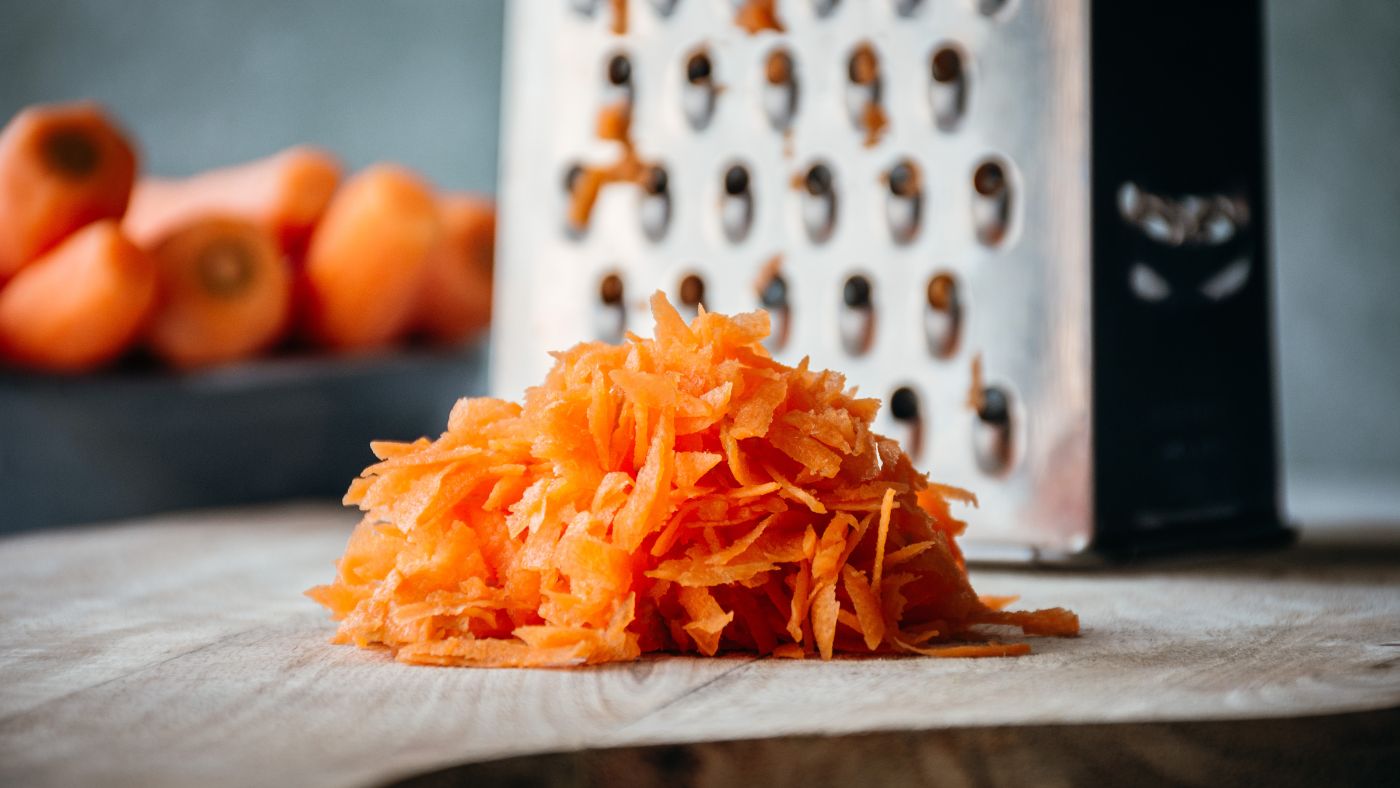
Faenza, a stolen pig, and carrot tartare
Last night the entire U.S. staff toasted to our good fortune with a glass of La Sabbiona sparkling brut rosé, Bella Vita, as we sat around a table in the cellar of Bisinì dla Sghisa, a local food osteria in… Read full article
-
ExperiencePlus! Blog / Recipes
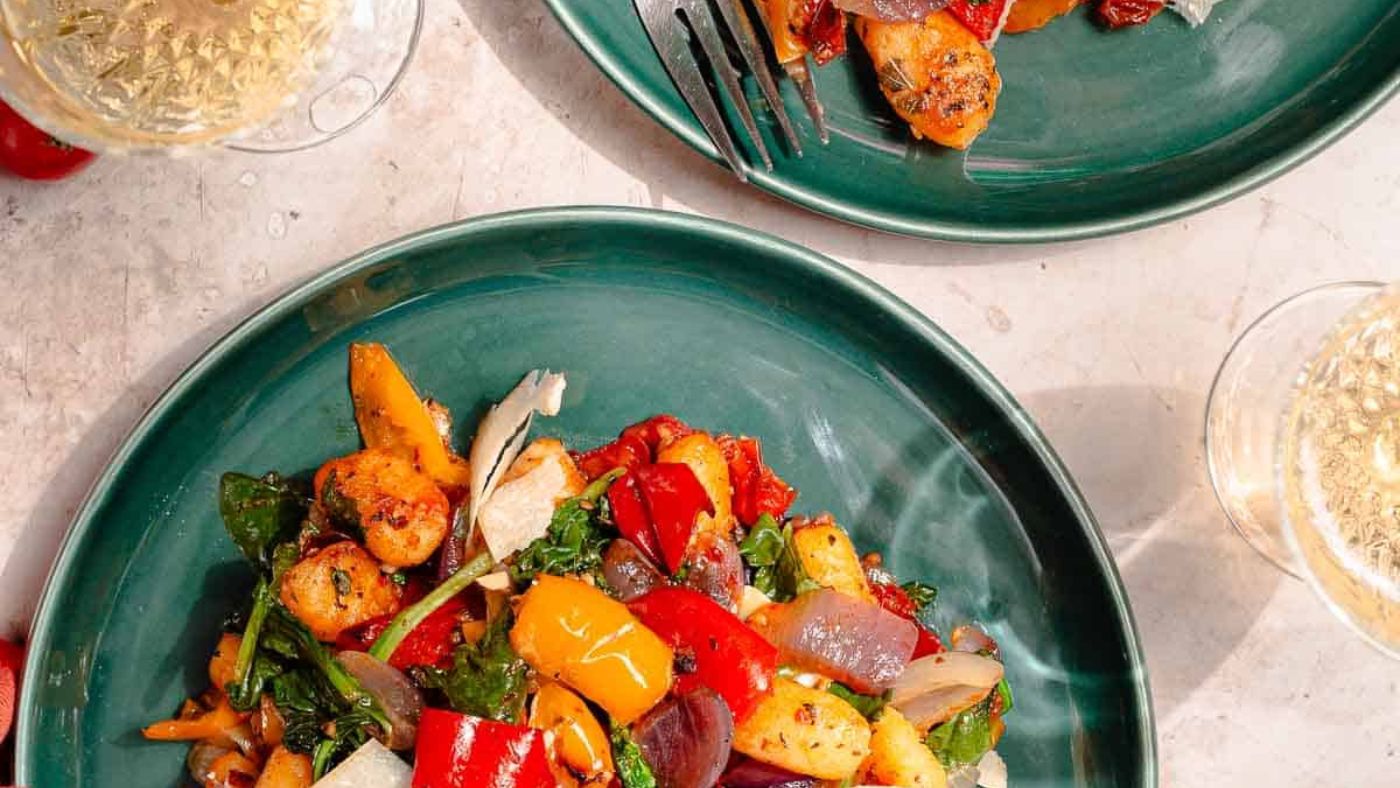
Sheet Pan Gnocchi With Roasted Vegetables – delicious & easy!
Gnocchi is one of those absolutely fabulous foods that blow my mind: you can buy it pre-made in a shelf-stable form, boil it in no time, add some sauce and boom: dinner is served. The idea of baking gnocchi never… Read full article
-
ExperiencePlus! Blog / Recipes
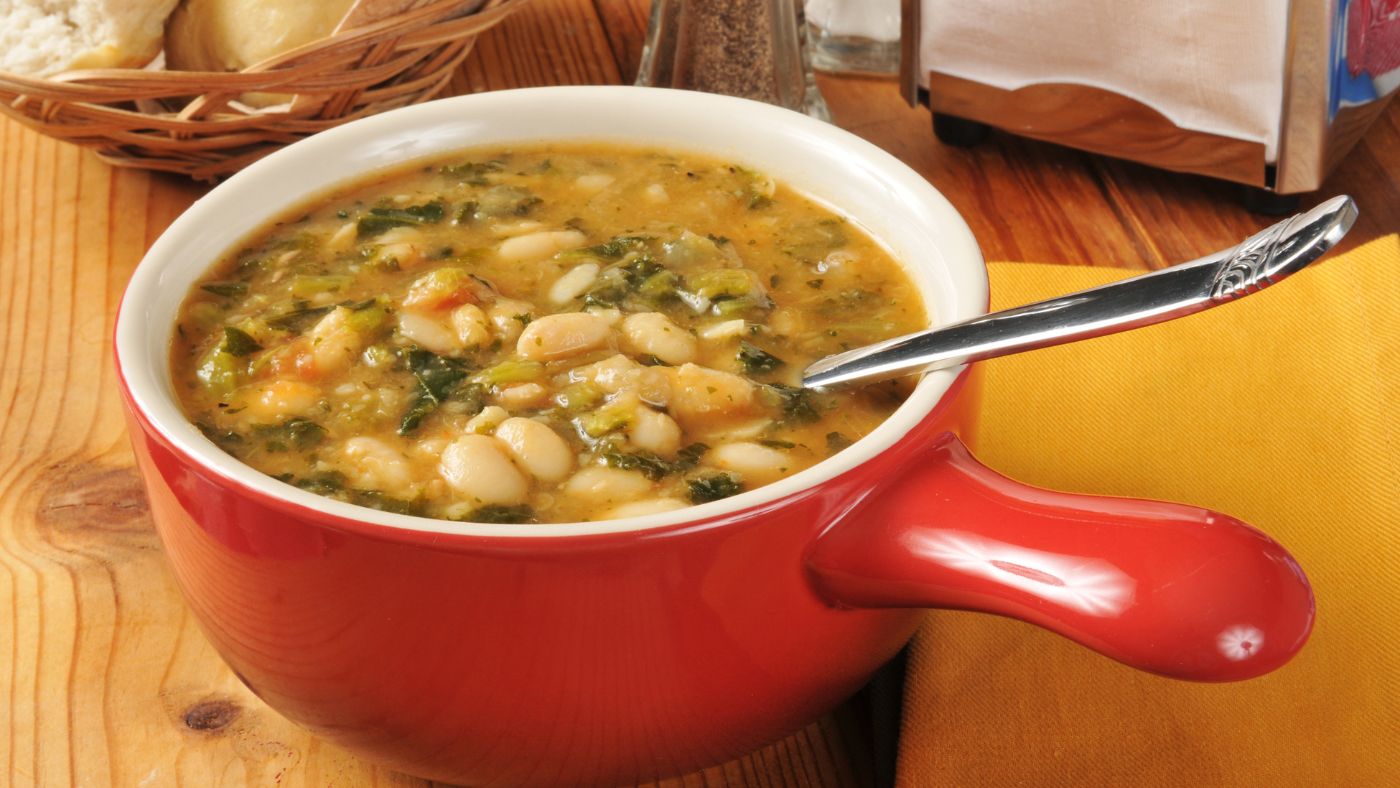
White bean and kale soup – with sausage, if you like
A hearty yet simple soup of Tuscan origin, this bean soup features readily available and inexpensive ingredients. This laid back version features cannellini beans and kale. To make it even more “Tuscan farmer style” you can add some old/stale bread… Read full article
Tips & Reviews
-
ExperiencePlus! Blog / Tips & Reviews / Travel Tips
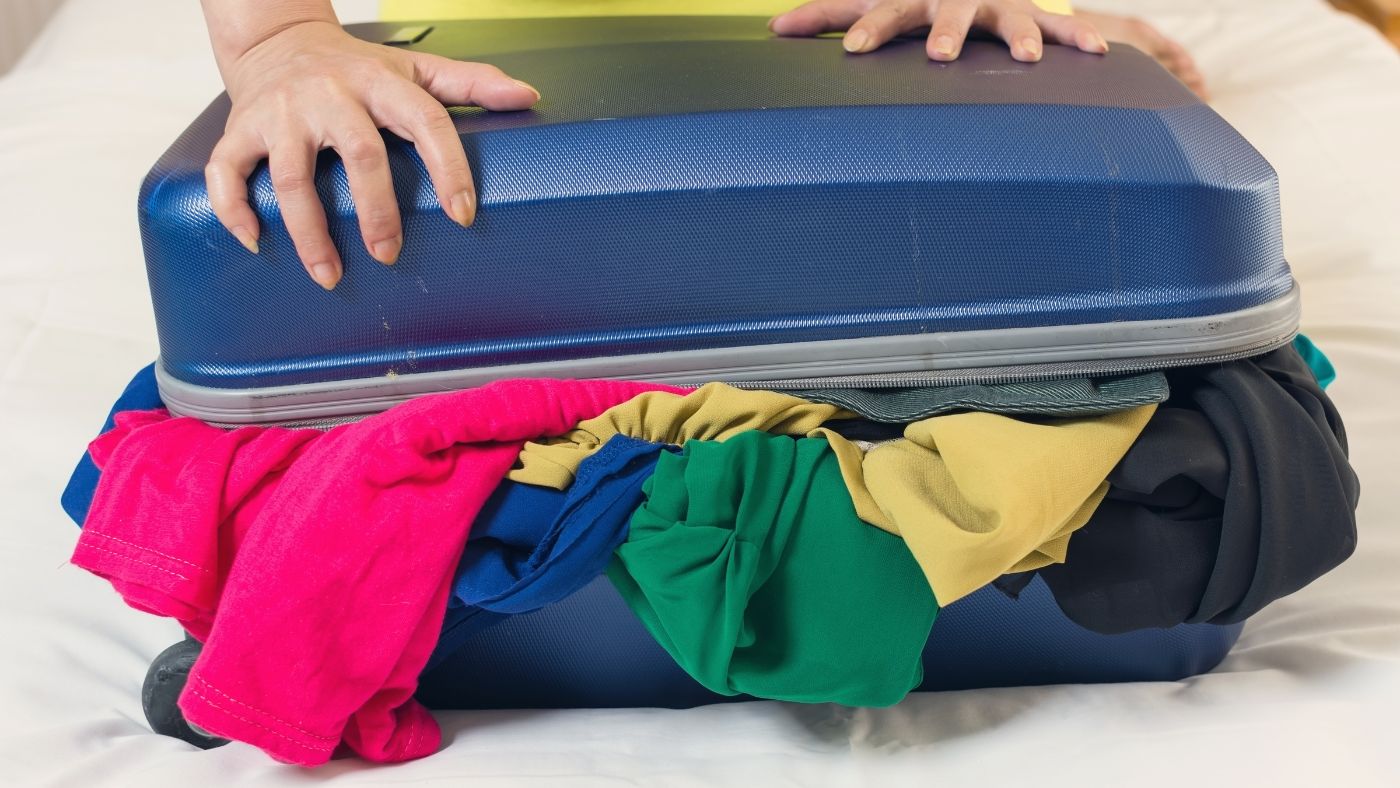
Packing cubes and other hacks
Each year we pick a gift for travelers who do more than one tour a year, we call this our “customer appreciation gift”. And this year, we picked compressible packing cubes! While not revolutionary, using packing cubes for travel is… Read full article
-

ExperiencePlus! Blog / Tips & Reviews / Travel Tips
Successful air travel starts and ends with Exito
You’ve booked your tour, the departure is confirmed, and now you’re ready to purchase flights for your upcoming international bicycle tour. While ExperiencePlus! provides a range of traveler planning services to anyone taking a Classic, Bike and Boat, or Expedition-style… Read full article
-
ExperiencePlus! Blog / About ExperiencePlus! / Tips & Reviews / Travel Tips
What’s All the “Plus!” About?
The Long and Short of our Bicycle Tours If you’ve poked around the tour finder on our website, or been on tour with us, you’ve likely noticed many of our bicycle tour itineraries have two departure length options: a short … Read full article